The Indian business landscape of 2026 is no longer defined by simple competition—it is defined by the speed of integration. With the government’s recent rollout of the ₹10,000 crore SME Growth Fund and the emergence of “Corporate Mitras,” the barrier to entry for ambitious startups and SMEs has shifted. Capital is available, but the expertise to deploy it effectively remains the ultimate differentiator. For digital-native companies and scaling enterprises, the traditional vendor model is broken. To win in this climate, you don’t need more service providers; you need an Integrated Growth Partner India. Why “Integrated” is the Only Way to Scale In a fragmented business environment, companies often hire four different entities to solve one problem: growth. They hire a branding agency for visibility, a lead-gen firm for data, an in-house team for sales, and a consultant for strategy. The result? The Silo Effect. Marketing creates a narrative the sales team can’t use. Strategy identifies a market that the sales team can’t reach. At Kompreneur, we believe that growth is a single, continuous thread. An Integrated Growth Partner weaves that thread through every department, ensuring that every effort—from a LinkedIn post to a CXO-level meeting—is moving toward the same revenue goal. The Power of the “Corporate Mitra” Philosophy The 2026 Union Budget introduced the concept of professionalized support for businesses. At Kompreneur, we have long championed this “Mitra” (Partner) philosophy. We don’t just advise; we act as a force multiplier. Our integrated model focuses on three non-negotiable pillars for the modern Indian enterprise: 1. Bridging the Trust Gap with CXO Meet In 2026, decision-makers are more protected than ever. “Cold” outreach is effectively dead. CXO Meet serves as your bridge, providing vetted, high-trust environments where founders meet the gatekeepers of Indian industry and global venture capital. When you enter a room via an Integrated Growth Partner, you carry the partner’s credibility with you, shortening deal cycles from months to weeks. 2. Transforming Sales from an Overhead to an Asset One of the biggest hurdles for Indian startups is the cost of a high-performance sales team. Recruiting, training, and retaining top-tier talent can consume 40% of a company’s early-stage budget. 3. Market Dominance through Strategic Narratives In a “Viksit Bharat” (Developed India), the noise in the marketplace is deafening. To stand out, a brand needs more than catchy slogans—it needs authority. Our integrated approach ensures your brand marketing isn’t just “pretty”; it’s a strategic tool designed to facilitate sales and attract investors. We align your public persona with the high-level conversations happening in our Industry Conclaves. The 2026 Advantage: Agility Over Infrastructure The most successful companies in 2026 are those that own their intellectual property but outsource their execution friction. By partnering with an integrated firm, you gain: “True growth is the result of an ecosystem, not an individual.” Choosing the Right Partner in India Not all growth partners are created equal. When evaluating a partner for the Indian market, ask: Conclusion: Your Growth, Integrated The era of “doing it all yourself” is over. As India marches toward its goal of becoming a global economic superpower, the companies that will lead are those that recognize the value of specialized, integrated partnership. At Kompreneur, we don’t just see ourselves as a service provider. We are the engine under the hood of your vision. Whether it’s through The Conclave, our bespoke sales engines, or our exclusive networking hubs, we are here to ensure that your growth isn’t just consistent—it’s exponential.

Beyond Advice: Why an Integrated Growth Partner is the Engine of Modern Indian Enterprises
In the rapidly evolving landscape of the Indian economy, the gap between a “good idea” and a “market leader” is wider than ever. For many founders and CEOs, the challenge isn’t a lack of vision; it’s the friction of execution. Fragmented solutions—hiring one agency for branding, another for sales, and attending random networking events—often result in disjointed strategies and stalled momentum. This is where the concept of an Integrated Growth Partner India changes the game. At Kompreneur, we’ve seen firsthand that true acceleration happens only when strategic connections, scalable sales, and impactful branding work in total harmony. The Shift from Consulting to Partnership Traditionally, businesses hired consultants to tell them what to do. An Integrated Growth Partner, however, is a collaborator who rolls up their sleeves to show you how to do it—and often does the heavy lifting alongside you. In a market as complex and competitive as India, “integrated” means breaking down the silos that usually kill growth. If your brand narrative doesn’t match your sales pitch, or if your networking doesn’t reach the right decision-makers, you’re losing fuel. An integrated approach ensures that every touchpoint of your business is calibrated for expansion. The Four Pillars of Integrated Growth To achieve unprecedented market leadership, especially for digital-native companies, we focus on four critical pillars: 1. Strategic Connections: The CXO Meet Advantage Growth in India is deeply relational. Our flagship product, CXO Meet, is designed to bypass the traditional “cold call” culture. We provide direct, vetted access to investors, enterprise leaders, and industry veterans. This isn’t just networking; it’s about high-impact conversations that unlock funding, strategic partnerships, and immediate market entry. 2. Scalable Sales Outsourcing Building an in-house sales engine is expensive and time-consuming. An integrated partner provides a “Sales-as-a-Service” model. At Kompreneur, we handle everything from lead generation to qualification and execution. By treating your revenue goals as our own, we allow your core team to focus on what they do best: product innovation. 3. Impactful Brand Marketing A brand is more than a logo; it’s a narrative that must dominate the market. Our approach to branding is rooted in storytelling that resonates with the Indian psyche while maintaining global standards. When branding is integrated with sales, every marketing dollar spent directly supports the sales pipeline. 4. Industry Conclaves & Platforms Visibility is the currency of growth. By curating bespoke industry platforms and conclaves, we help brands establish thought leadership. These gatherings aren’t just events—they are strategic tools to shape the future of your industry and position your leadership at the center of the conversation. Why India Needs Integrated Solutions Now The Indian startup and SME ecosystem is currently the third-largest in the world. However, the “growth at all costs” era has been replaced by an “efficiency and sustainability” era. By acting as an Integrated Growth Partner, Kompreneur acts as a force multiplier. We provide the infrastructure of a large corporation with the agility of a startup. The Kompreneur Commitment: From Founders to Leaders Founded in 2024, Kompreneur was born from the realization that fragmented growth strategies are the biggest bottleneck for high-potential businesses. We don’t just offer services; we offer a Growth Ecosystem. Whether it’s connecting you with a Series A investor through a mixer in Bangalore or doubling your qualified leads through our sales outsourcing wing, our focus is on tangible, measurable outcomes. “Growth is never by mere chance; it is the result of forces working together.” — James Cash Penney Conclusion: Your Journey to Market Leadership In the journey of scaling a business, you can either be a passenger or the pilot. But even the best pilots need a sophisticated navigation system and a ground crew they can trust. If you are ready to stop managing “vendors” and start working with a partner invested in your equity and your excellence, it’s time to look at the integrated model. Let’s build the future of your industry together.
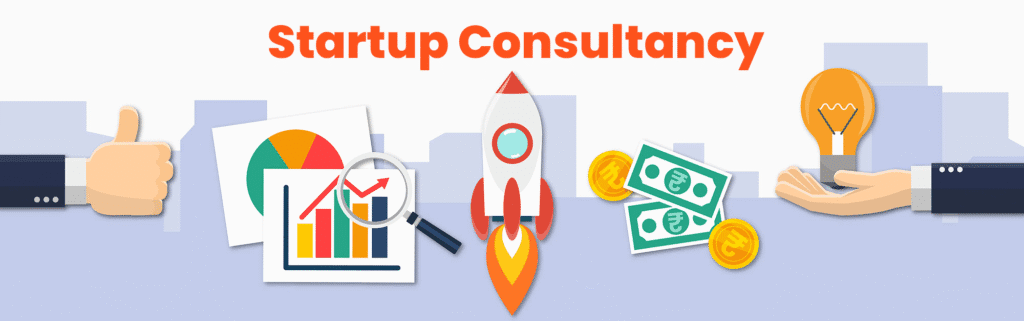
The Future of Scale: Navigating the Top Startup Consulting Firms in India (2026)
The Indian startup ecosystem has officially transitioned from a phase of “growth at all costs” to a decade of “sustainable compounding.” As we move through 2026, the stakes have never been higher. With over 11,000 startups shutting down just last year, the difference between a unicorn and a cautionary tale often comes down to one thing: strategic execution. For founders, the challenge isn’t just about having a great idea; it’s about navigating regulatory mazes, optimizing unit economics, and integrating AI into the very core of operations. This is where Startup Consulting Firms in India have become the silent architects of India’s most resilient brands. The Landscape of Startup Consulting in India In 2026, the consulting market in India is expected to reach a staggering $15 billion, growing at a CAGR of nearly 13%. Today’s founders are moving away from traditional, bulky “strategy decks” and toward agile, outcome-based partnerships. 1. The Global Powerhouses (McKinsey, BCG, Bain) The “Big Three” continue to dominate the high-level strategic space. Firms like McKinsey & Company India and BCG have pivoted heavily toward digital transformation and ESG (Environmental, Social, and Governance) strategies. They are the go-to for late-stage startups (Series C and beyond) looking to go public or expand into international markets like the US or Europe. 2. The Specialists (GrowthRocks, Tiger Analytics) For tech-heavy ventures, data is the new oil. Tiger Analytics has carved a niche in AI-driven operational optimization, helping startups use predictive modeling to slash customer acquisition costs. Similarly, GrowthRocks remains a leader in growth hacking, focusing on rapid market traction for early-stage ventures. 3. The Implementation Partners: Kompreneur At Kompreneur, we recognized a massive gap in the market: the “Action Gap.” Most consulting firms tell you what to do, but few stay to help you do it. Through our specialized services, we act as an extension of your team. The “CXO Meet” Advantage: Why Mentorship Trumps Theory The most significant hurdle for Indian founders in 2026 isn’t a lack of information—it’s a lack of contextual wisdom. Our flagship product, CXO Meet, was born from the reality that a 30-minute conversation with a veteran leader is worth more than a 300-page industry report. What makes CXO Meet different? Critical Trends for Startups in 2026 If you are evaluating a consulting partner this year, ensure they are aligned with these three shifts: Conclusion: Choosing Your Growth Partner India’s regulatory environment is becoming more complex, with 2026 bringing new mandates in AI compliance and sustainability. Relying on “gut feel” is a luxury founders can no longer afford. Whether you need the deep analytical rigor of a global firm or the hands-on, executive-led mentorship of CXO Meet, the right consulting partner is the highest-leverage investment you can make. Ready to bridge the gap between your vision and market leadership? Explore how Kompreneur and CXO Meet can transform your growth trajectory today.
The Modern Startup Survival Guide: Why a Startup Business Consultant is Your Secret Weapon
In the volatile ecosystem of 2026, the gap between a “garage idea” and a “market leader” isn’t just about capital—it’s about clarity. For founders, the journey often feels like navigating a dense fog: you know the destination, but the immediate obstacles are obscured. This is where a Startup Business Consultant transforms from a luxury into a necessity. At Kompreneur, we’ve seen entrepreneurs struggle with the “Founder’s Paradox”—the challenge of being too close to your product to see the flaws in your business model. To solve this, we launched CXO Meet, our flagship platform designed to bridge the gap between hungry startups and the seasoned executive wisdom they lack. The Role of a Startup Consultant in 2026 The definition of consulting has evolved. It’s no longer about thick binders of research or generic slide decks. Today, a consultant is a strategic “co-pilot” who integrates data, AI-driven insights, and human intuition to drive three core pillars: Why Experience Trumps Theory: The Power of Mentorship While many consultants are “career advisors,” the most effective ones are former operators—people who have sat in the hot seat. They don’t just tell you what to do; they tell you what not to do. “A smart person learns from their mistakes; a wise person learns from the mistakes of others.” This philosophy is the heartbeat of CXO Meet. We realized that while a full-time C-suite executive (CMO, CTO, or CFO) is often too expensive for an early-stage startup, the knowledge of that executive is priceless. Through CXO Meet, we provide startups with fractional access to India’s top leadership. How CXO Meet Redefines “Consulting” Traditional consulting can feel distant. CXO Meet turns it into a high-impact, networking-driven experience. Instead of a standard report, you get: The “Cost” of Not Hiring a Consultant Many founders hesitate to hire consultants due to budget constraints. However, the true cost lies in the invisible losses: Conclusion: Your Roadmap to 2027 The startups that will dominate 2027 are being built today with a foundation of expert guidance. Whether you are at the ideation stage or preparing for a Series A, a startup business consultant acts as the catalyst for your growth. At Kompreneur, our mission is to democratize executive-level intelligence. Through CXO Meet, we aren’t just giving you a consultant; we’re giving you a seat at the table with the leaders who have already won the game. Ready to stop guessing and start growing? Join the next CXO Meet and discover how a strategic consultant can turn your startup into a scale-up
The Power of the Table: Why Executive Roundtables are Defining India’s 2026 Corporate Strategy
In the rapidly evolving business landscape of 2026, the traditional “spray and pray” approach to networking is officially obsolete. Indian CXOs are no longer interested in massive, impersonal conferences where the noise-to-signal ratio is deafening. Instead, the most influential conversations are moving behind closed doors. At Kompreneur, we’ve observed a fundamental shift in how leadership operates. It’s no longer about who has the loudest voice, but who is at the right table. This is why our flagship product, CXO Meet, has become the epicenter for high-impact executive roundtables in India. The Evolution of the “Roundtable” in India Historically, roundtables were often seen as mere social gatherings or “networking tea breaks.” Today, they are strategic instruments. With India’s digital public infrastructure (DPI) disrupting traditional business models and AI adoption moving at a breakneck pace, leaders face a “loneliness at the top” regarding complex decision-making. An executive roundtable offers something a keynote speech cannot: bi-directional intelligence. 1. Peer-Level Validation in an Era of Disruption Whether you are navigating the “Aspiration Paradox” of the Indian consumer or integrating generative AI into legacy supply chains, theory only goes so far. When you sit at a CXO Meet roundtable, you aren’t listening to a vendor’s pitch; you are engaging with peers who are facing the same regulatory hurdles from SEBI or the RBI. “When you reference insights from a room of C-level peers, you’re providing evidence, not just claims. Peer validation is the ultimate currency in 2026.” Solving the “Functional Isolation” Problem Modern corporate challenges are rarely siloed. A marketing hurdle in 2026 is often a data privacy hurdle, which is ultimately a legal and tech hurdle. Executive roundtables break these silos by bringing together diverse leaders—CFOs, CTOs, and CMOs—to look at a problem from 360 degrees. Through curated sessions, we help leaders move from Functional Isolation to Holistic Integration. Why Kompreneur’s CXO Meet is Different Not all roundtables are created equal. A successful executive exchange requires more than a fancy boardroom and a catering menu; it requires Strategic Curation. Vetted Access We don’t just fill seats. We curate the room. CXO Meet provides direct, vetted access to investors, enterprise leaders, and industry veterans. We ensure that every participant adds weight to the conversation, ensuring that the person sitting across from you is as invested in the solution as you are. Outcomes over Agendas Traditional events focus on “finishing the slide deck.” Our roundtables focus on “momentum mapping.” We facilitate discussions that surface buying signals, identify alignment gaps, and lead to tangible outcomes like: The ROI of High-Trust Spaces The data for 2026 is clear: companies that actively participate in executive roundtables innovate up to 30% faster. Why? Because learning from a peer’s failure is a significantly cheaper “shortcut” than failing yourself. In the Indian context, where “frugal innovation” meets “global scale,” the ability to share best practices on logistics, decarbonization, and workforce automation is invaluable. A CXO Meet session isn’t just a meeting; it’s a conversion catalyst. While traditional events see a post-event conversion rate of less than 10%, strategic roundtables often see 40–60% engagement in the weeks following the session. Looking Ahead: The Future is Collaborative As we look toward the remainder of 2026, the trend of “Fractional Leadership” and “Modular Expertise” is rising. Companies are no longer looking for permanent answers; they are looking for agile solutions. Executive roundtables provide that agility. They offer a “leadership-as-a-service” experience where you can tap into the collective brain trust of the country’s brightest minds for ninety minutes of intense, focused problem-solving. Join the Conversation India’s growth story is being written at roundtables. Are you at the table, or are you on the menu? At Kompreneur, we are committed to being your integrated partner for growth. Through CXO Meet, we provide the platform, the people, and the perspective you need to dominate the market. Ready to elevate your strategic networking? Explore how CXO Meet can unlock your next big partnership. About Kompreneur:We are India’s leading integrated growth partner, specializing in GTM strategies, sales outsourcing, and elite CXO platforms. Based in Bangalore, we help digital-native companies scale through strategic connections and impactful branding
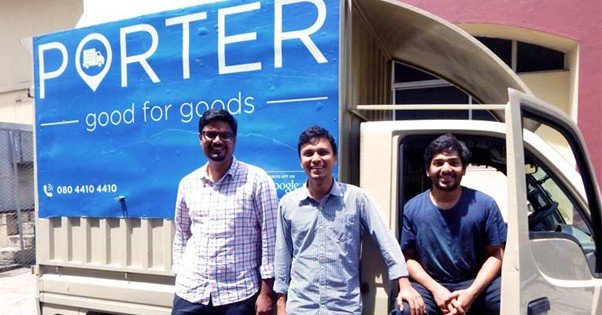
The Billion-Dollar Delivery: The Porter Story (2025)
Chapter 1: The Last Mile Problem (2014-2023) In the beginning, logistics in India’s metro cities wasn’t just fragmented; it was a chaos engine running on intuition, high fuel costs, and sheer hope. For a small business owner needing a tempo to shift $5,000 worth of goods across Bangalore, the process involved three phone calls, 45 minutes of negotiation, and absolutely zero guarantee of arrival time. This was the problem that Pranav Goel, Uttam Digga, and Vikas Choudhary set out to solve in 2014 with Porter. Their vision was simple: bring the Uber model to intra-city goods movement. They weren’t building a trucking company; they were building an intelligence layer that could match an atom (the load) with a molecule (the truck or two-wheeler) in real-time. The early years were a relentless, grinding test of unit economics. Porter’s innovation wasn’t just the app, but the asset-light model—partnering with existing truck owners and bike riders, digitizing their schedules, and optimizing their return trips, effectively turning a single-trip loss into a multi-trip profit. They prioritized MSMEs (Micro, Small, and Medium Enterprises), the backbone of the Indian economy, who paid immediately and provided recurring, predictable demand. This laser focus on small-scale, high-frequency B2B transactions created a fundamentally resilient cash flow structure, unlike peers chasing slow-paying large enterprises or high-burn consumer-only models. By 2023, the scale was impressive: 20+ cities, hundreds of thousands of registered drivers, and annual operating revenue soaring past $300 million. But the market had changed. Quick commerce giants were moving into last-mile logistics, and while their focus was tiny parcels, the sheer volume threatened to dilute the driver base. Porter needed to make a decisive move to solidify its leadership and prove it wasn’t just a great logistics company, but a genuine tech platform. Chapter 2: The Quantum Leap (Project Velocity, 2024) In late 2023, CEO Uttam Digga greenlit “Project Velocity,” a 12-month strategy designed to achieve profitability and a $1 billion valuation by mid-2025. The core of Velocity had three pillars: The year 2024 was defined by execution ruthlessness. The team narrowed its focus, slashing non-core marketing expenses and doubling down on driver onboarding and training. The results were visible in the financials. For the fiscal year ending March 2024, Porter managed to cut its net losses by 45%, even as revenue climbed by a staggering 56%. The unit economics had finally flipped decisively to positive. Chapter 3: The Series F and the Valuation Moment (May 2025) By the end of Q1 2025, the data was undeniable: Porter was profitable on an operational level across its major markets and had built a moat around its core business that was technologically impenetrable. They had redefined what it meant to move goods in India. No longer was it a transaction; it was a frictionless utility. The atmosphere in the Bengaluru headquarters was tense but electric. The Series F round, initially scoped at $150 million, grew to $200 million, attracting the attention of global investment heavyweights like Kedaara Capital and Wellington Management. They weren’t just buying growth; they were buying proven financial discipline in a notoriously cash-hungry sector. On May 8, 2025, the news broke. Porter had closed its Series F, entering the coveted unicorn club with a valuation between $1.1 and $1.2 billion. It was India’s second unicorn of the year, a moment that heralded not just a financial victory, but a cultural shift. The press release was issued, celebrating the technological platform that empowered over 300,000 gig workers and served over 3 million customers monthly. The founders, often humble and execution-focused, finally allowed themselves a moment of reflection. “We didn’t set out to be a billion-dollar company,” Uttam Digga said during the celebratory huddle. “We set out to ensure that the small store owner, the vendor, and the driver were treated with transparency and efficiency. The valuation is simply the market recognizing the sheer economic value of taking a broken system and making it intelligent. We are not just delivering parcels; we are delivering economic empowerment, one perfectly routed trip at a time.” The Series F capital was immediately earmarked for the next great scaling challenge: expanding into 20 new Tier 2 and Tier 3 cities, and investing heavily in the infrastructure to support over 1 million gig workers, solidifying Porter’s position as the ubiquitous, technology-first logistics layer of India. The billion-dollar delivery was complete, but the true journey of scaling had only just begun. Disclaimer: We do not claim ownership of any data, images, or thoughts shared on this article. Content is based on publicly referenceable data and provided for informational purposes only and the. Any views expressed belong to their respective owners. We strive for accuracy but disclaim liability for reliance on the content.
Juspay: The Architects of the Invisible From Orchestration to Unicorn
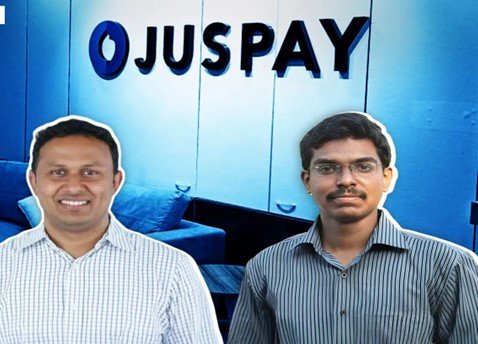
Chapter 1: The Inflection Point The air in Juspay’s Bengaluru headquarters in late 2024 felt heavy, thick with the silence that follows seismic change. For years, Juspay had been the invisible engine of India’s digital commerce, the elegant, high-reliability layer ensuring that transactions for giants like Amazon, Google, and Microsoft never failed. They were the premier Payment Orchestrator, the central nervous system routing billions of dollars seamlessly. But the ground had shifted. Major payment aggregators, seeking tighter control over their merchant relationships, had started to disengage from orchestration platforms. It was a strategic challenge—a move that questioned whether Juspay was truly essential infrastructure or a dispensable middle layer. Co-founder and CEO Vimal Kumar, however, saw not a threat, but the ultimate validation of their core belief: complexity needed a single, elegant solution. “Our mission was never just about routing,” he told the team in January 2025. “It’s about making payments an accessible, open utility, like the internet itself. If they want to control the gateway, we will build the highway and the operating system that runs every vehicle on it.” The goal wasn’t just survival; it was acceleration. The target: Unicorn status by the end of Q1 2025, fueled by an uncompromising strategy: global expansion, regulatory mastery, and total technological dominance driven by AI. Chapter 2: The Two Pillars of Scale Juspay’s counter-strategy focused on two audacious bets: the global deployment of Hyperswitch and the integration of the Nexus AI layer. Hyperswitch: The Open-Source Global Play Hyperswitch, Juspay’s open-source payment switch, became the spearhead of their international push. Vimal, along with co-founder Ramanathan RV, believed that in an increasingly fragmented global payments landscape, the market craved an open, transparent, and developer-friendly solution. Hyperswitch wasn’t just a product; it was a manifesto for interoperability. This open-source philosophy resonated immediately with fintech startups and legacy banks outside of India, particularly in complex regions like Southeast Asia and Latin America. By offering a customizable, no-code engine that could connect to any payment processor, currency, or local method, Juspay transformed from a niche Indian solution into a global infrastructure provider. Nexus AI: The Intelligence of 99.999% Internally, the team introduced Nexus AI, an advanced machine learning engine designed to optimize every millisecond of a transaction lifecycle. It moved beyond simple rules-based routing. Nexus AI leveraged real-time issuer health data, historical consumer behaviour, and even contextual data (like time of day or device type) to predict the highest probability route for success. The results were transformative. Merchants using the enhanced orchestration platform reported a 5-10% improvement in transaction success rates—a massive gain for businesses processing millions of transactions daily. This uplift in conversion, coupled with the system’s legendary “five nines” (99.999%) reliability, proved Juspay’s infrastructure wasn’t a choice; it was a competitive necessity for any enterprise focused on revenue retention. Chapter 3: Mastering the Ecosystem The regulatory piece fell into place perfectly, validating their domestic resilience. In early 2025, after months of rigorous audits and technical reviews, Juspay received the coveted Payment Aggregator (PA) license from the Reserve Bank of India. This license fundamentally changed their game, allowing them to offer end-to-end payment acceptance, directly competing in the full-stack space while maintaining their orchestration layer superiority. This pivot wasn’t without its challenges. Sheetal Lalwani, Co-founder and COO, was instrumental in steering the compliance and global expansion efforts. Her team deftly managed the simultaneous expansion across APAC, the UK, and North America, ensuring the platform adhered to dozens of disparate regulatory frameworks, from PCI DSS 4.0 standards to local data residency laws. The market took note of their tenacity. Juspay had not only absorbed the loss of major partners but had used the moment to strategically upgrade their offering, transforming a business challenge into an unprecedented growth engine. The sheer volume was staggering: they were consistently processing over 200 million transactions daily, representing an Annual Total Processed Volume (TPV) of over $900 billion. Chapter 4: April 7th, 2025: The Leap The whispers started in March, but the confirmation arrived on April 7, 2025. Private Equity powerhouse Kedaara Capital stepped in to lead the Series D funding round, joined by existing believers SoftBank and Accel. The round secured a substantial injection of capital—$60 million—but the number that truly mattered was the valuation. The successful fundraise valued Juspay at over $1 billion, officially crowning them India’s first fintech unicorn of 2025. The news wasn’t just a victory for the founders; it was a powerful statement about the resilience of core infrastructure technology. Juspay hadn’t built a consumer app or a flashy frontend; they had built the complex, robust plumbing that made everyone else’s flash work. Vimal, addressing the company after the announcement, kept the focus forward: “This valuation is a checkpoint, not a destination. Our true value lies in the billions of successful transactions we enable, the revenue we recover for our merchants, and the open ecosystem we are creating globally. We skipped the ‘Gazelle’ phase and went straight to Unicorn because we never stopped building the future of payments. Now, we use this capital to accelerate the development of HyperCredit, embed lending capabilities, and make our AI layer truly sentient.” Juspay’s journey to the unicorn club in 2025 wasn’t a sprint but a marathon won by a deep commitment to first-principles engineering. They proved that in the chaotic world of digital finance, the greatest scale comes not from chasing trends, but from building the unshakeable foundation beneath them. They are the architects of the invisible, ensuring that the magic of digital commerce happens every single time.
The Kirana Renaissance: Jumbotail’s Story to a $1 Billion Valuation
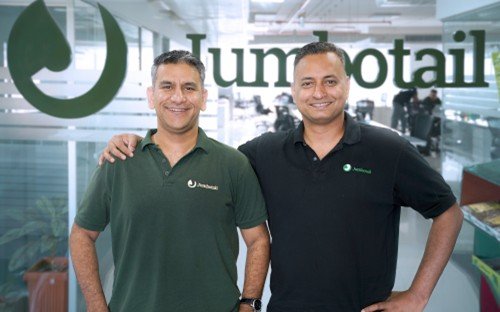
The year is 2025. The air in Bengaluru, a city that runs on code and chai, crackles with the news. On June 30th, Jumbotail—the B2B e-commerce and New Retail platform for food and grocery—closed a landmark $120 million Series D funding round, led by SC Ventures, the innovation arm of Standard Chartered Plc. The news wasn’t just about the dollar amount; it was the final, definitive stamp: Jumbotail was officially India’s newest Unicorn, valued at over $1 billion. It had taken a decade, but the ‘Kirana Renaissance’ they championed had arrived. This was no overnight sensation; it was a methodical, principle-driven scaleup story. Co-founders S. Karthik Venkateswaran and Ashish Jhina had spent years in the trenches of the Indian Army and Silicon Valley, respectively. Their mission, forged in a Stanford MBA classroom, wasn’t to compete with the humble kirana store, but to arm it. They saw not a fragmented, struggling ecosystem, but the resilient, $600-billion-plus backbone of Indian retail—a backbone that simply lacked modern tools. Phase I: The First Principles of Scale (2015-2021) The early years were defined by building an infrastructure that seemed insane to the VCs of the time: a full-stack, tech-powered supply chain. While others chased scale-at-any-cost, Jumbotail chased capital efficiency and operational excellence. Their proprietary ‘GoldenEye’ Retail Operating System was a testament to this, giving a small shopkeeper the power of a modern supermarket manager: digital invoicing, inventory tracking, demand forecasting, and a crystal-clear P&L. “We solved logistics first,” Karthik often said. “If the product doesn’t arrive on time, in full, and at the right price, nothing else matters.” Their in-house logistics, initially a source of investor skepticism, became their competitive moat. By 2021, Jumbotail boasted a 98% order fill rate and 95% on-time delivery—numbers unheard of in the fragmented B2B grocery space. This reliability built trust with the small and medium kiranas—a trust that was the bedrock of their next, most crucial step. Phase II: The Credit Multiplier (2022-2024) By the beginning of 2022, the e-commerce platform had gained traction, serving tens of thousands of retailers. But the founders knew the deepest pain point of the kirana owner: working capital. The traditional kirana was constantly beholden to wholesalers and distributors, caught in a tight, often exploitative, cash cycle. This is where Jumbotail Capital, their embedded fintech platform, became the scaleup catalyst. Leveraging transactional data from the e-commerce platform—every order, every payment, every restock—they created a proprietary credit scoring model. They partnered with lending institutions, offering small, collateral-free credit lines right in the app. This wasn’t just an add-on; it was an enabler. A kirana could now order more stock, increase its range, and capture more sales without worrying about immediate upfront payment. This boosted the average order value (AOV) and the purchase frequency of their retailers, creating a virtuous, compounding loop. By late 2024, Jumbotail Capital was responsible for a quarter of the company’s overall revenue, a powerful demonstration of product-market fit in a financial services-starved sector. Phase III: The Leap to Unicorn Status (H1 2025) The final push for unicorn status came with a strategic, industry-defining move in the first half of 2025: the acquisition of Solv India. Solv, a B2B commerce and financial services platform incubated by the funding round’s lead investor, SC Ventures, brought two critical elements to the table: The Series D funding, led by SC Ventures and joined by existing backers like Artal Asia, was the financial validation of this strategic vision. The capital infusion wasn’t for vanity; it was explicitly earmarked for AI-native solutions and talent acquisition in Decision Science and Machine Learning. The goal was to cement their leadership by building the most efficient and lowest-cost supply chain in the country—an AI-powered gateway to India’s mass-market consumption. On June 30, 2025, the internal email announcing the unicorn milestone went out, signed by both Karthik and Ashish. It wasn’t just a celebration of a $1 billion valuation; it was a celebration of the hundreds of thousands of small businesses they had empowered. The true scaleup was never about the valuation multiple; it was about the impact multiple—empowering a million retailers to serve 400 million middle-income Indian consumers. The Kirana Renaissance was finally an economic reality. Disclaimer: We do not claim ownership of any data, images, or thoughts shared on this article. Content is based on publicly referenceable data and provided for informational purposes only and the. Any views expressed belong to their respective owners. We strive for accuracy but disclaim liability for reliance on the content
The Apex of Paws: Drools’ Leap to Unicorn Status (May 2025)
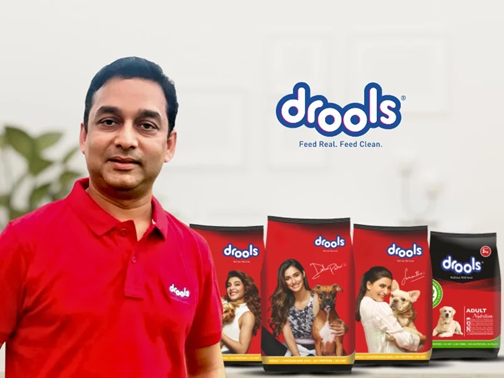
The air in the Bengaluru boardroom was thick with anticipation. It was a crisp May morning in 2025, and outside, the Indian pet care market was booming—a landscape the company, Drools, had spent over a decade shaping. The team, led by a calm but visibly energized Founder, Fahim Sultan, and the dynamic CEO, Dr. Shashank Sinha, was not here for another market update. They were here for the final signature on a deal that would catapult their humble domestic success into a global financial landmark. Chapter 1: The Pre-Flight Checklist (The $600M Valuation) Drools’ journey from a division of the IB Group to an independent entity was the perfect Scaleup Story. It wasn’t about a sudden viral product; it was about unwavering execution, vertical integration, and a deep, scientific understanding of pet nutrition. By 2024, they were already a formidable force. The previous year’s Series B round of $60 million from L Catterton—the private equity arm with a luxury goods lineage—had been the formal “pre-flight” check. It had validated their operational model: six fully-owned manufacturing units, a colossal 1.6 million square feet of warehousing, and an incredibly lean supply chain. This investment had been strategically deployed to expand manufacturing capacity and turbocharge their omnichannel distribution, reaching over 40,000 retail outlets while simultaneously dominating the Amazon pet food category with their diverse portfolio (Pure Pet, Meat Up, Canine Creek). The growth metrics were undeniable: revenue had seen a stunning 50% jump in FY24. But the scaleup wasn’t just domestic. Drools was already a leading exporter, shipping its science-backed nutrition to 22 countries across the Middle East, Africa, and Asia-Pacific. The goal was 50 countries by 2025. This global ambition, coupled with India’s exploding pet-parent culture (driven by Gen Z and millennials who treat pets as family), made Drools a high-potential asset. Chapter 2: The Strategic Pivot (The Unicorn Catalyst) The traditional path to unicorn status in the D2C world often involves a massive, dilutive Series C funding round. Drools chose the path of strategic validation. The catalyst for the $1 billion valuation was the quiet, calculated entry of a global behemoth: Nestlé S.A. The Swiss consumer goods giant, whose global pet-care division, Purina, was a major revenue pillar, sought a strategic foothold in India’s hyper-growth market without the risk of a full-scale operational acquisition. In late May 2025, the news broke: Nestlé had acquired a minority stake in Drools. This was a masterclass in scaleup strategy. Chapter 3: The Impact and The Future (A New Apex) The immediate impact was electric. The unicorn status was a victory for the entire domestic pet care ecosystem. But for Drools, it was a platform, not a finish line. The new capital influx wasn’t for mere survival; it was for doubling down on innovation and technology. The scaleup plan for the rest of 2025 was clear: The final meeting adjourned not with loud cheers, but with a quiet, confident resolve. Drools hadn’t just reached a number; they had executed a strategic masterpiece. They had turned a commodity business into a high-growth, technology-enabled consumer brand, validated by the world’s best. The story of Drools becoming a unicorn in 2025 was the definitive tale of how a local champion, focused on product, process, and partnership, scaled its way to the top of the global pet food chain. The Apex of Paws had been reached, and the world was now ready to pay attention to India’s home-grown pet care revolution. Disclaimer: We do not claim ownership of any data, images, or thoughts shared on this article. Content is based on publicly referenceable data and provided for informational purposes only and the. Any views expressed belong to their respective owners. We strive for accuracy but disclaim liability for reliance on the content
Unveiling the Ascendancy: The Epic Saga of Scalenut’s Rise in the Digital Realm
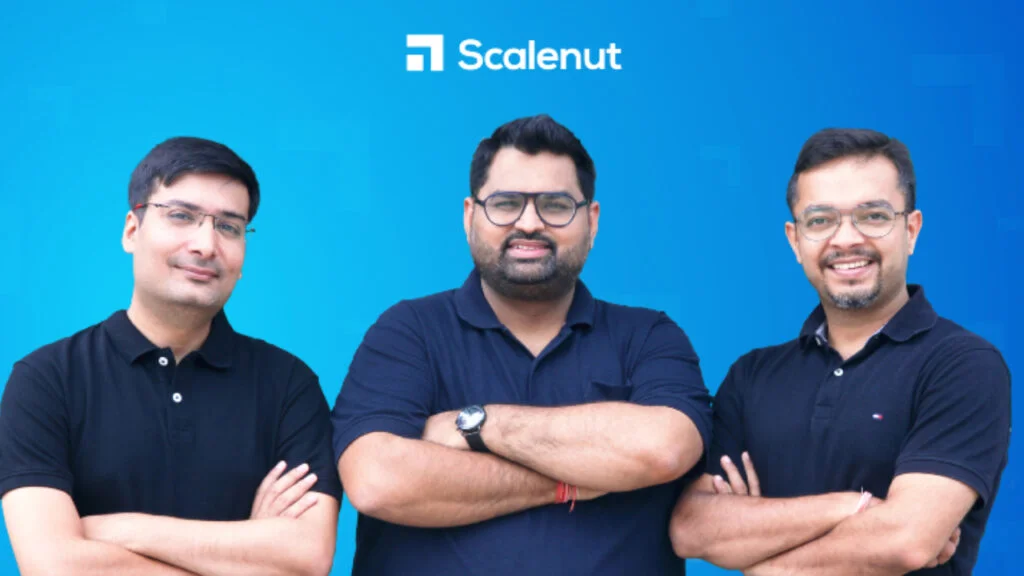
The Rise of Scalenut The rise of AI-driven tools has irrevocably transformed the digital landscape. Amidst the tumultuous shift towards accelerated digitalization, spurred initially by the events of 2020, India became a crucible for innovative SaaS solutions. It was against this backdrop of rapid technological adoption that Scalenut emerged, not just as a tool, but as a revolutionary force poised to redefine the future of content marketing and Search Engine Optimization (SEO). At the end of 2020, as businesses fought to survive and expand their reach in an increasingly virtual world, the demand for high-quality, scalable content surged. Recognizing that content was the indispensable currency of the digital age, Scalenut was conceived with the mission to empower businesses to tell better stories, build sustainable brands, and, critically, achieve predictable organic growth. The Founding Visionaries and Early Trajectory At the helm of Scalenut stood the three visionary co-founders: Gaurav Goyal, Mayank Jain, and Saurabh Wadhawan. With a shared passion for leveraging AI to solve real-world marketing challenges, this dynamic trio established the company’s core philosophy: unifying an entire SEO and content workflow into a single, intuitive platform. The initial success validated their vision. By early 2022, Scalenut had successfully launched its SaaS platform for public use, experiencing a remarkable 10X revenue growth in the following months. This rapid traction led to a significant $3.1 Million seed plus funding round in 2022, led by Saama Capital and Amit Singhal (Former Senior VP of Google and Head of Google Search). This investment was a clear validation of their strategy, fueling an expansionary focus on key international markets, particularly the US and UK. The company successfully shifted from an AI-enabled content marketplace concept to a pure-play, all-in-one AI-SEO platform. Pioneering Innovation: The GEO Ecosystem By 2025, Scalenut has evolved far beyond a simple AI writer, transforming into an end-to-end Generative Engine Optimization (GEO) platform—a critical shift in a world dominated by Google’s Search Generative Experience (SGE) and large language models (LLMs). The core of its success lies in its unwavering commitment to innovation, specifically focusing on building content that is “Built for a prompt-first world, Indexed by AI engines, and optimized to win across Google, ChatGPT, and more.” Key features that define Scalenut’s 2025 platform include: Navigating the AI Age and Overcoming Adversity The journey to an all-in-one GEO platform was fraught with the challenges inherent in a hyper-competitive, rapidly evolving market. Scalenut faced the complexities of talent acquisition in a specialized AI niche and the daunting task of constantly building a new category in the SaaS space while competing with established giants like Semrush and AI-writing specialists like Jasper and Surfer SEO. However, its focus on unifying the entire SEO workflow—from research and planning (Topic Clusters, Keyword Planner) to creation (Cruise Mode) and optimization (Content Optimizer, Fix-It)—gave it a distinctive competitive advantage. This consolidation of features, combined with an aggressive focus on “AI Visibility,” positioned Scalenut as a strategic growth partner, not merely a cost-cutting tool. This resilience and adaptability, honed during the initial pandemic-era digital boom, prepared the company for the even greater seismic shift brought by generative AI. Building a Thriving Ecosystem and Charting the Future Central to Scalenut’s growth is its commitment to its thriving community. Through the Scalenut Community and in-depth Bootcamps, the company fosters a culture of collaboration, knowledge sharing, and user-centric development. The continuous feedback loop from its users drives the meticulous crafting of new features, ensuring the platform truly meets the evolving needs of content creators, SEO strategists, and agencies worldwide. As Scalenut charts its course for the future, its vision remains clear: to create the most powerful SEO and content marketing platform the world has ever seen. The company remains steadfast in its dedication to: In a hyper-digital, prompt-driven world, Scalenut stands not only as a testament to the power of vision and perseverance but also as a definitive leader in the Generative Engine Optimization space. Its evolution from a managed marketplace to a unified AI-SEO platform has reshaped the content marketing landscape. With its eyes set on establishing unparalleled AI visibility for its users, Scalenut continues its unwavering quest to empower creators and marketers globally, redefining the boundaries of what is possible in the age of intelligent search. Disclaimer: We do not claim ownership of any data, images, or thoughts shared on this article. Content is based on publicly referenceable data and provided for informational purposes only and the. Any views expressed belong to their respective owners. We strive for accuracy but disclaim liability for reliance on the content.